


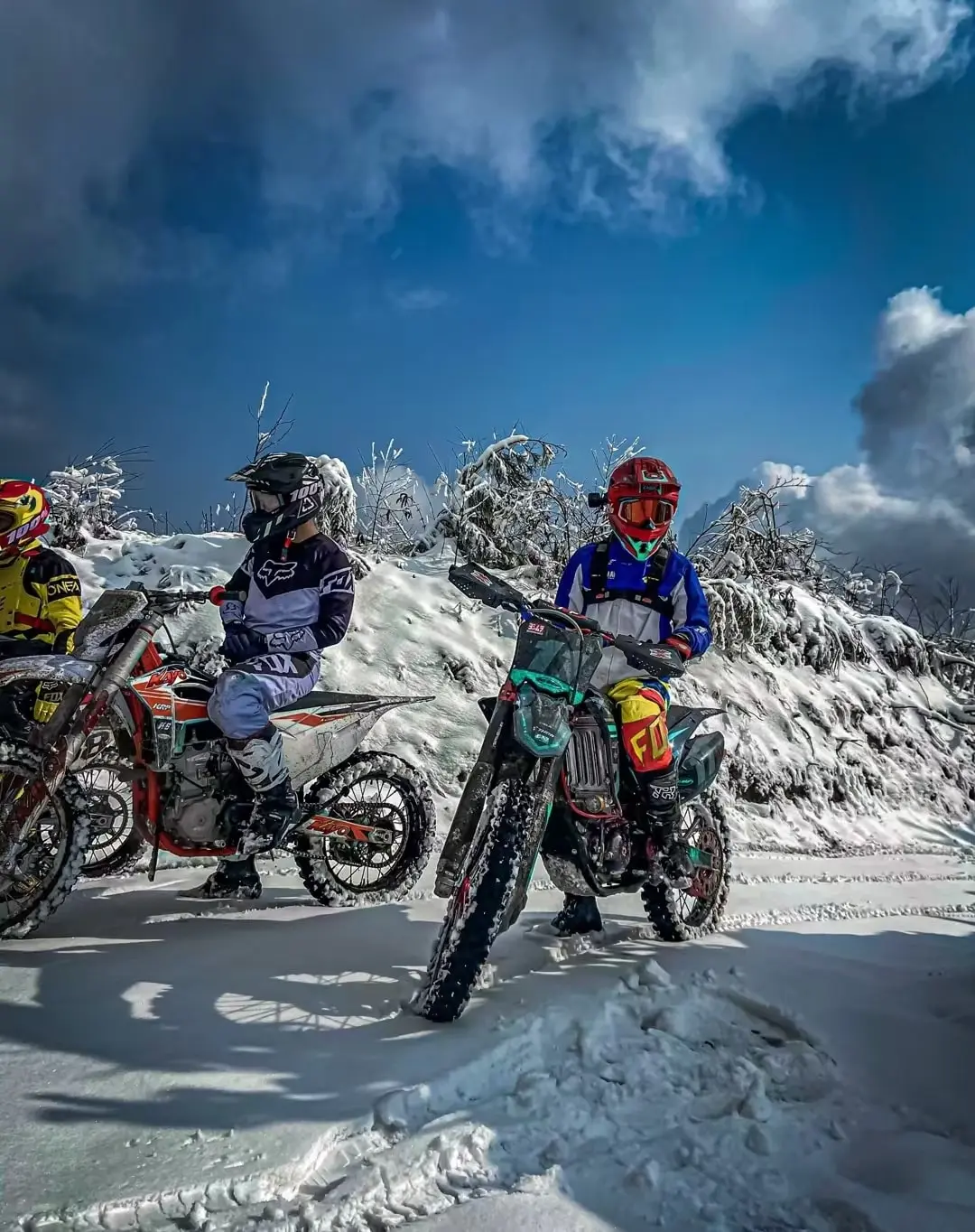





- Unveiling Arunachal Pradeshs unique landscapes with insights from phedarunachal.org
- The Diverse Landscapes of Arunachal Pradesh
- The Rich Cultural Tapestry of Arunachal Pradesh
- Planning Your Trip: Permits and Logistics
- The Flora and Fauna: A Biodiversity Hotspot
- Sustainable Tourism and Responsible Travel
Unveiling Arunachal Pradeshs unique landscapes with insights from phedarunachal.org
Arunachal Pradesh, a jewel nestled in the northeastern corner of India, remains one of the most unexplored and pristine regions in the country. Its breathtaking landscapes, diverse cultures, and unique biodiversity attract an increasing number of adventurous travelers and researchers. Accessing reliable and comprehensive information about this remote state can be challenging, but resources like phedarunachal.org aim to bridge this gap, providing a valuable platform for those seeking to explore its wonders. This website serves as a digital gateway, offering insights into the state’s geography, history, tourism potential, and the lives of its indigenous communities.
The state's rugged terrain, deeply forested hills, and abundant rivers present both opportunities and challenges. Understanding the intricacies of travel, accommodation, and local customs is crucial for a rewarding experience. Obtaining permits, navigating the difficult roads, and respecting the cultural sensitivities of the various tribes are all essential aspects of planning a trip to Arunachal Pradesh. Fortunately, online resources are rapidly developing to support explorers and provide critical insights into this incredible state, making the planning process much more manageable and fostering responsible tourism.
The Diverse Landscapes of Arunachal Pradesh
Arunachal Pradesh is characterized by an astonishing variety of landscapes, ranging from the snow-capped peaks of the Himalayas in the north to the lush, subtropical forests in the south. The state boasts a remarkable altitudinal gradient, which contributes to its incredible biodiversity. The Lower Himalayan ranges transition into the Eastern Himalayas, creating a unique ecological zone. These mountains are not only visually stunning but also play a critical role in the region’s water resources, feeding the numerous rivers that flow through the state. The Kameng, Lohit, Subansiri, and Siang rivers are the major lifelines of Arunachal Pradesh, shaping its geography and supporting its agricultural activities and sustainable tourism.
One of the most striking features of Arunachal Pradesh is its dense forests, which cover a significant portion of the state. These forests are home to a wide array of plant and animal species, including several endangered ones. The forests vary in composition depending on altitude and rainfall, ranging from evergreen forests in the lower elevations to temperate forests at higher altitudes. The state’s commitment to conservation is evident in its numerous wildlife sanctuaries and national parks, which aim to protect this invaluable natural heritage. The Dibang Wildlife Sanctuary, Namdapha National Park, and Mouling National Park are just a few examples of protected areas dedicated to preserving the region’s biodiversity.
| Namdapha National Park | 1985 | Clouded Leopard, Red Panda, Musk Deer, Various Orchid Species |
| Mouling National Park | 862 | Takins, Gorals, Himalayan Black Bear, Dense Bamboo Forests |
| Dibang Wildlife Sanctuary | 4145 | Mishmi Takin, Red Panda, Snow Leopard, Diverse Birdlife |
Beyond the forests and mountains, Arunachal Pradesh also features a network of valleys and plateaus that offer unique landscapes and agricultural opportunities. These valleys are often inhabited by different tribal communities, each with its own distinct culture and traditions. The Ziro Valley, for instance, is renowned for its picturesque rice fields and the Apatani tribe, known for their unique facial tattoos and sustainable agricultural practices. Exploring these valleys provides visitors with a glimpse into the cultural richness and ecological harmony of Arunachal Pradesh.
The Rich Cultural Tapestry of Arunachal Pradesh
Arunachal Pradesh is home to 26 major tribes and numerous sub-tribes, each possessing a unique language, customs, and traditions. This rich cultural diversity is one of the state’s most captivating features. The tribal communities have maintained their distinct identities for centuries, preserving their traditional art forms, dances, music, and festivals. Many of these tribes practice animistic beliefs, with a deep connection to nature and a reverence for their ancestors. Understanding and respecting these cultures is paramount for responsible tourism. The state government and organizations like those collaborating to provide information on phedarunachal.org are actively working to preserve and promote these cultural traditions.
Each tribe has its own distinct social structure, political system, and economic activities. Some tribes practice agriculture, while others are engaged in hunting, fishing, or handicrafts. The traditional houses, clothing, and ornaments of each tribe are also unique, reflecting their specific cultural identity. Festivals play a vital role in the social and religious lives of the people, providing opportunities for celebration, community bonding, and the transmission of cultural knowledge. The Losar festival of the Monpa tribe, the Solung festival of the Adi tribe, and the Hornbill festival of the Nyishi tribe are just a few examples of the vibrant festivals celebrated in Arunachal Pradesh.
- The Monpa tribe are known for their Buddhist monasteries and vibrant textiles.
- The Adi tribe are skilled weavers and builders known for their elaborate bamboo structures.
- The Nyishi tribe practice a unique form of agriculture and have a rich oral tradition.
- The Apatani tribe are famous for their sustainable farming techniques and distinctive facial tattoos.
Tourism plays an increasingly important role in the economy of Arunachal Pradesh, but it is essential to ensure that it is sustainable and benefits the local communities. Community-based tourism initiatives are gaining popularity, allowing visitors to experience the local culture firsthand while contributing to the economic well-being of the tribes. Respecting local customs, avoiding disruptive behavior, and supporting local businesses are all important aspects of responsible tourism.
Planning Your Trip: Permits and Logistics
Traveling to Arunachal Pradesh requires careful planning due to the state’s restricted area permit (RAP) system. The RAP is necessary for both domestic and foreign tourists, and it can be obtained through the state government or designated travel agencies. The requirements for obtaining an RAP vary depending on the nationality and the area to be visited. It's crucial to apply for the permit well in advance of your trip, as the process can take several weeks. Information regarding the latest regulations is often updated on resources like phedarunachal.org, making it a crucial starting point for planning.
Transportation within Arunachal Pradesh can be challenging due to the rugged terrain and limited infrastructure. The road network is still under development, and many roads are prone to landslides, especially during the monsoon season. Hiring a local driver is highly recommended, as they are familiar with the roads and conditions. Shared taxis and buses are also available, but they can be crowded and uncomfortable. Helicopter services are available to some remote areas, but they are expensive. Accommodation options in Arunachal Pradesh range from basic guesthouses to luxury hotels, with the availability varying depending on the location.
- Obtain the Restricted Area Permit (RAP) well in advance.
- Arrange transportation – hiring a local driver is advisable.
- Pack appropriate clothing for varying altitudes and weather conditions.
- Respect local customs and traditions.
- Carry sufficient cash, as ATM access can be limited.
Health and safety are also important considerations when traveling to Arunachal Pradesh. It is advisable to consult with a doctor before your trip to discuss necessary vaccinations and medications. The state is prone to earthquakes, so it’s important to be aware of safety procedures. Drinking bottled water is recommended, and it's essential to be cautious about food hygiene. Be aware of the potential for altitude sickness, especially if you are traveling to high-altitude areas.
The Flora and Fauna: A Biodiversity Hotspot
Arunachal Pradesh is recognized as a biodiversity hotspot, harboring a remarkable variety of plant and animal life. Its strategic location in the Eastern Himalayas, coupled with its diverse topography and climate, has created a unique ecological environment. The state is home to over 5,000 species of plants, including numerous orchids, medicinal herbs, and endangered species. The forests are teeming with wildlife, including tigers, elephants, leopards, bears, and various species of primates. The state also boasts a rich avian diversity, with over 600 species of birds recorded.
Conservation efforts are crucial to protecting the biodiversity of Arunachal Pradesh. The state government has established several wildlife sanctuaries and national parks to safeguard its natural heritage. However, threats such as deforestation, poaching, and habitat loss remain significant challenges. Community-based conservation initiatives are being promoted to involve local communities in the protection of their natural resources. Sustainable tourism practices can also play a role in conservation by generating revenue for local communities and raising awareness about the importance of biodiversity. Learning more about these efforts from platforms like phedarunachal.org can help travelers make informed choices that support conservation.
Sustainable Tourism and Responsible Travel
As tourism to Arunachal Pradesh grows, it is essential to prioritize sustainable tourism practices that minimize the environmental impact and benefit the local communities. This involves respecting local cultures, supporting local businesses, and conserving natural resources. Choosing eco-friendly accommodations, reducing waste, and using public transportation are all ways to travel more responsibly. Supporting community-based tourism initiatives can also help to ensure that the benefits of tourism are shared more equitably.
Promoting awareness among visitors about the importance of responsible travel is crucial. Providing information about local customs, environmental issues, and sustainable tourism practices can help to empower travelers to make informed choices. Encouraging visitors to learn a few basic phrases in the local language can also foster cultural exchange and build rapport with the local communities. Ultimately, sustainable tourism aims to create a positive impact on both the environment and the people of Arunachal Pradesh, ensuring that its beauty and cultural richness are preserved for future generations.